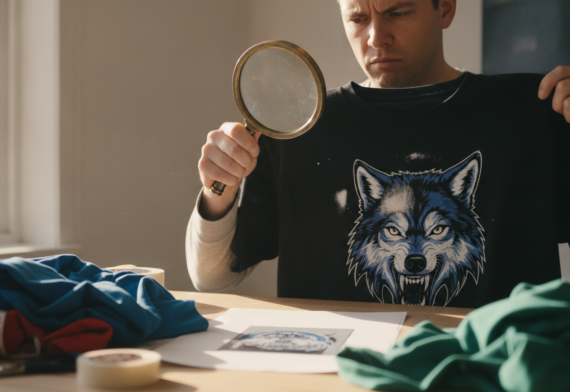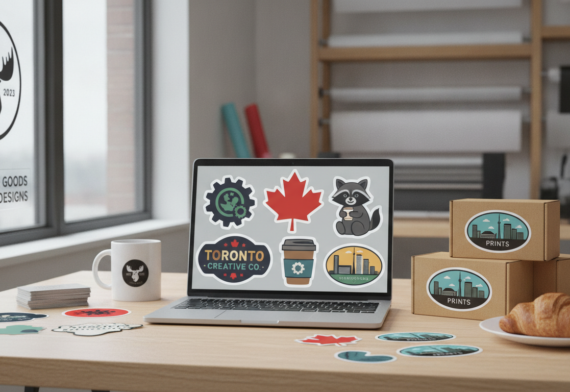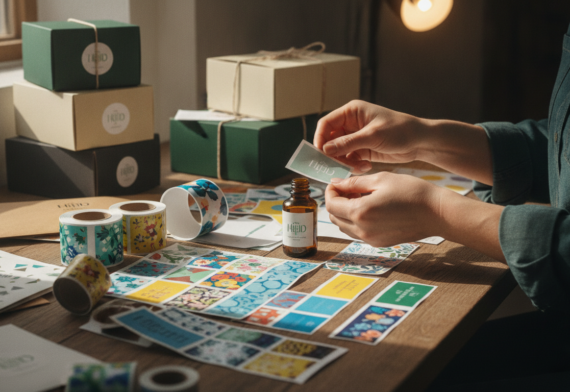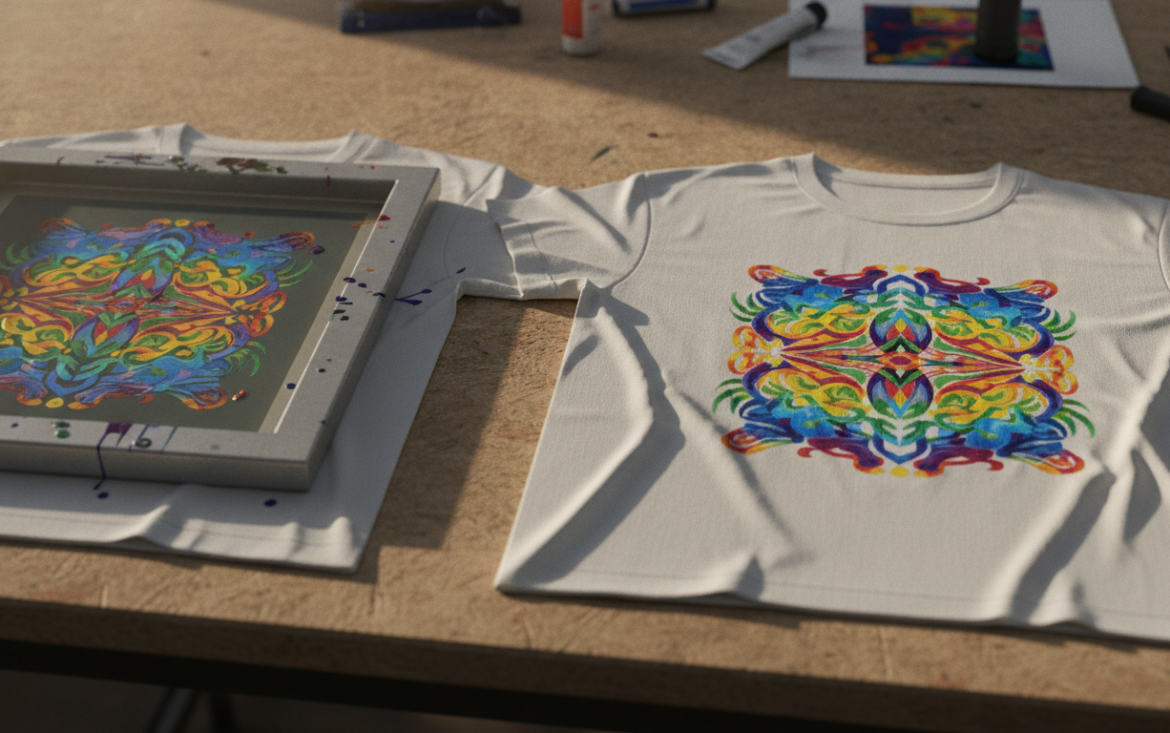
If you’ve ever searched for screen printing silk screen services and found yourself second-guessing whether you’re looking at two different processes or just two different names for the same thing, you are not alone. This particular piece of terminology trips up small business owners, event organizers, and marketing teams every week. The short answer is: silkscreen and screen printing describe exactly the same technique. The longer answer — which matters quite a bit when you’re placing an order — involves understanding how that process works, when it’s the right choice, and when other methods available through Print Grafix will serve your project better.
Quick Answer
“Silkscreen printing” and “screen printing” are identical processes. The term “silkscreen” is a legacy name from when the mesh used in the technique was made from silk; modern versions use synthetic mesh, but the word stuck. When you’re sourcing branded apparel, stickers, or signage locally in the GTA, both search terms will lead you to the same service — what matters is finding a print provider who can match the right technique to your artwork, materials, and volume.
What Is Silkscreen Printing, and Where Did the Name Come From?
Silkscreen printing is screen printing. The two words refer to the same stencil-based technique, and knowing their shared history makes the terminology much less confusing. The process originated in China and reached commercial popularity in Western markets during the early twentieth century. At that time, the fine mesh stretched over a frame to hold the stencil was woven from actual silk fibres — hence the name. As synthetic materials like polyester replaced silk in professional production, the industry largely dropped the “silk” prefix, leaving “screen printing” as the dominant trade term. The word “silkscreen” persisted in everyday language and still appears constantly in consumer searches, creative forums, and casual conversation.
In practice, the mechanics have not changed in any fundamental way. A design is converted into a stencil (or series of stencils, one per colour), each stencil is applied to a taut mesh screen, and ink is pushed through the open areas of the mesh onto the substrate below using a squeegee. The result is a dense, opaque, durable ink deposit that sits on top of the material rather than soaking into it. That characteristic is what gives screen-printed apparel its vibrant, slightly raised feel and what makes screen-printed signage so resistant to fading.
From a printmaking standpoint, screen printing belongs to the category of stencil printmaking — distinct from relief printing (like woodcuts), intaglio (like etching), or planographic printing (like offset lithography). Printmaking screen printing has been used for fine art as well as industrial production, which is part of why the terminology crosses over between craft communities, art schools, and commercial print shops. When Andy Warhol described the technique he used for his iconic pop art works, he called it silkscreen. When a commercial apparel decorator quotes you a price for a hundred branded polo shirts, they call it screen printing. Same process, different context.
How Does Screen Printing Actually Work, Step by Step?
Screen printing follows a consistent sequence of steps regardless of whether the substrate is a t-shirt, a tote bag, a sticker sheet, or a rigid sign panel. Understanding this sequence helps you have a more productive conversation with your printer and set realistic expectations about lead times and pricing.
Step 1: Artwork Preparation
Your design must be separated into individual colour layers. Each colour in the final print requires its own screen. A three-colour logo means three screens, each holding the stencil for one colour. This is why screen printing is typically most cost-effective at higher volumes — the setup cost (time, materials, and labour to prepare and expose each screen) is spread across a larger quantity of units.
Step 2: Screen Preparation and Exposure
The mesh screen is coated with a light-sensitive emulsion. A film positive of each colour layer is placed over the coated screen and exposed to UV light. The light hardens the emulsion everywhere except where the design blocks it. When the screen is rinsed, the unexposed emulsion washes away, leaving open mesh exactly where ink will pass through. Precision at this stage determines the crispness of fine lines and small text in the final print.
Step 3: Printing
The substrate is registered (positioned precisely) beneath the first screen. Ink is poured onto the screen and a squeegee draws it across the mesh, forcing ink through the open areas onto the material. The substrate moves to the next screen for the second colour, and so on until all colours are applied. Registration — the precise alignment of each colour pass — is a key quality indicator. Misregistration produces a blurry or shadow-like effect around edges.
Step 4: Curing
Printed items pass through a curing process — typically a conveyor dryer for garments or UV curing for flat substrates — to set the ink permanently. Proper curing is critical for wash durability on apparel and for scratch resistance on stickers and signage. Under-cured prints crack, fade, or peel prematurely.
Does the Silkscreen vs. Screen Printing Confusion Actually Affect Your Order?
In terms of the technique delivered, no — the terminology makes no practical difference. Where the confusion can cause friction is during the quoting and briefing process. When a client asks for “silkscreen” and a print shop representative assumes they specifically want fabric apparel decorated in that manner, there can be a miscommunication if the client actually needs printed stickers, rigid signage, or packaging. The terminology confusion is really a category confusion.
Specifying your substrate (what the print will be applied to), your quantity, your colour count, and your end use will always communicate your needs more precisely than naming a technique. A well-resourced local print provider — one offering everything from branded apparel and sticker printing to large format printing Toronto businesses rely on for banners and signage — will guide you toward the most appropriate method once they understand what you actually need the finished piece to do.
At Print Grafix, our team in Scarborough, ON works through exactly this kind of brief with clients every day. When someone calls asking about silkscreen for a product launch, the first questions we ask are about volume, substrate, colour complexity, and timeline — because those factors determine whether screen printing, digital printing, DTF, or another method is the smartest choice for their specific project. Speaking of DTF, if you’re exploring newer alternatives to screen printing for apparel, What Is DTF Printing? How Direct-to-Film Works and Why It’s Changing Custom Apparel gives a thorough breakdown worth reading before you commit to a method.
When Is Screen Printing the Right Choice — and When Is It Not?
Screen printing excels in specific scenarios and underperforms in others. Knowing the difference saves money and prevents disappointment.
Screen printing is well-suited for: orders with moderate to high quantities where setup costs are amortized across many units; designs with a limited number of solid, distinct colours; applications requiring durable, opaque ink coverage on dark or coloured substrates; and situations where a tactile, slightly raised ink finish is desirable or expected (such as branded merchandise and promotional apparel).
Screen printing is less suited for: very low quantities (where setup costs make per-unit pricing uncompetitive); designs with photographic gradients, thousands of colours, or fine halftone detail across the full colour spectrum; highly variable or personalized runs where each unit needs different content; and projects with tight turnarounds where screen preparation time is a constraint.
For small-quantity or highly detailed colour work, digital printing methods often deliver better value. For apparel specifically, DTF (direct-to-film) transfer printing has expanded the range of designs that can be applied economically to fabric without the colour-count limitations of screen printing. For stickers, labels, and shorter runs of printed decals, digital label printing offers per-unit flexibility that screen printing cannot match — which is part of why searches like printed decals near me and same day sticker printing Toronto tend to lead to digital printing workflows rather than screen printing setups.
The comparison below outlines how screen printing stacks up against two other common methods across the factors that matter most to small business buyers.
| Factor | Screen Printing | Digital Printing | DTF Printing |
|---|---|---|---|
| Best quantity range | Medium to large runs | Low to medium runs | Low to medium runs |
| Colour complexity | Limited (1 screen per colour) | Full colour, unlimited | Full colour, unlimited |
| Setup time/cost | Higher setup investment | Minimal setup | Minimal setup |
| Ink durability on fabric | Excellent | Varies by substrate | Very good |
| Suitable for stickers/labels | Yes, at volume | Yes, any quantity | Not typical |
| Suitable for large format | Limited applications | Yes, wide-format inkjet | No |
What This Means When You’re Ordering Custom Printing in the GTA
Understanding print techniques is useful context, but for most small business owners and entrepreneurs, the practical priority is getting great-looking printed materials delivered on time and within budget. The terminology question matters less than the relationship you build with your printer.
When businesses across the GTA search for custom printing Toronto or logo printing Richmond Hill, they’re rarely looking for a lecture on print processes — they want a local provider who can assess their project quickly, recommend the right approach, and deliver without unnecessary back-and-forth. That is the standard our team at Print Grafix holds itself to for every job that comes through, whether it’s a rush order of branded stickers, a banner run for a Scarborough retail location, or a full suite of business cards, flyers, and brochures for a product launch.
Our services cover the full range of formats that growing businesses actually need: branded apparel and gifts, marketing and advertising prints, business essentials, signage, and large format output. For clients in Richmond Hill and surrounding areas searching for print stickers Richmond Hill, label printing Richmond Hill, printed labels Richmond Hill, or lamination services Richmond Hill, we serve the broader GTA and can accommodate local pickup or delivery.
For sticker and label work specifically — whether clients are looking for same day sticker printing Richmond Hill, toronto label printing, or general custom printing across formats — our digital printing workflow allows us to turn around short runs quickly without the screen setup delay. For volume apparel or merchandise orders where screen printing’s durability and cost-per-unit advantages come into play, we walk clients through the setup and timeline so there are no surprises.
If you’re weighing the broader question of whether a local custom print studio is the right model for your business versus print-on-demand platforms, the comparison in Print-on-Demand Gifts vs. Local Custom Printing: Which Delivers Better Value? addresses that directly. And if your project involves banners, outdoor displays, or any form of signage, Sign Printing in Toronto: How to Choose the Right Format, Material, and Size for Your Business is worth your time before you finalize your specifications.
“The best printing method is the one matched to your actual project — not the one with the most recognizable name. Tell us what you’re making, what it needs to do, and how many you need. We’ll handle the rest.”
Clients searching for large format printing Toronto will find that screen printing is rarely the right tool for wide-format banner and signage output — that category is served by large-format inkjet technology, which produces high-resolution output on vinyl, fabric, foam board, and rigid substrates at widths that screen printing equipment simply cannot accommodate. Understanding which category your project falls into is the first step, and that’s a conversation our Scarborough-based team is always ready to have.
Ready to Print? Let’s Talk About Your Project.
Whether you need branded apparel, stickers, banners, business cards, flyers, or a full suite of marketing materials, our team at Print Grafix is ready to recommend the right process, turn your artwork around efficiently, and deliver quality print on a timeline that works for your business. No enterprise contracts. No unnecessary complexity. Just straightforward, high-quality printing from a local GTA studio that takes every project seriously.
Written by the Print Grafix Team
The Print Grafix team operates out of Scarborough, ON, providing full-service custom printing to small businesses, entrepreneurs, and organizations across the Greater Toronto Area. From design consultation to final delivery, we bring a hands-on, personalized approach to every print project we take on.
Frequently Asked Questions
What is the difference between silkscreen printing and screen printing?
There is no functional difference. Silkscreen printing and screen printing are two names for the same stencil-based process. “Silkscreen” is the older term, referencing the silk mesh historically used in the technique; “screen printing” is the current industry standard name. Both terms refer to the same method of pushing ink through a mesh stencil onto a substrate.
How many colours can a screen-printed design include?
Each colour in a screen-printed design requires a separate screen, so the colour count directly affects setup cost and complexity. Most commercial screen printing is done with one to six colours. Designs with photographic gradients or unlimited colour variation are better suited to digital printing methods, which apply full-colour output in a single pass without per-colour setup charges.
Why does screen printing cost more for small quantities?
Screen printing involves a fixed setup cost — preparing, exposing, and aligning screens for each colour — that applies regardless of how many units are printed. When that cost is spread across a large order, the per-unit price becomes very competitive. For small quantities, the setup cost is a larger share of the total, making digital methods more economical. If you need a small run of stickers or branded items quickly, ask your print provider about digital alternatives before assuming screen printing is the only option.
Can I order screen-printed items with a fast turnaround in the GTA?
Screen printing turnaround depends on the complexity of your artwork, the number of colours, and current shop capacity. For rush orders requiring same-day or next-day output, digital printing is generally the more reliable option because it eliminates screen preparation time. At Print Grafix, we advise clients on the fastest method for their specific job — if your deadline is tight and your design is compatible with digital output, we will tell you that upfront rather than schedule a production process that won’t meet your timeline.